


The future does not belong to one gender overpowering another. It belongs to a world that honors balance—within individuals, relationships, and societies.
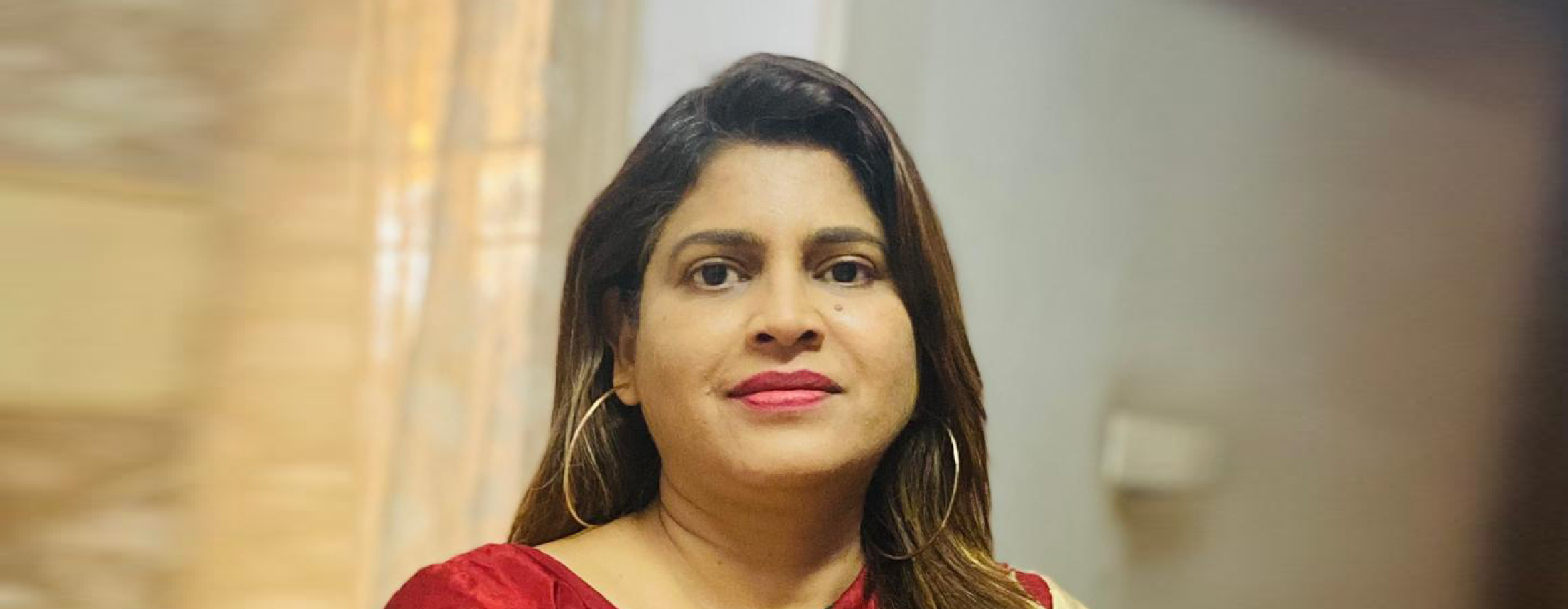
Dr. Meenu Dhiman
Dr. Meenu Dhiman is an author, educator, and policy leader whose work bridges psychology, spirituality, and social transformation. This is her third book, following the widely read Breaking the Cycle of Co-dependency and Narcissistic Abuse and Co-dependency: Self-Love That Was Lost, both published on Amazon, Kindle, and Flipkart.
With a Doctorate from Punjabi University, Patiala, and an MBA, Dr. Dhiman brings a rare blend of academic depth and real-world leadership experience. She has served in senior roles across higher education and the State Government skill development ecosystem in Punjab and Haryana, where she worked as Deputy Director, leading large-scale education and workforce programs, policy implementation, monitoring frameworks, and public–private partnerships.
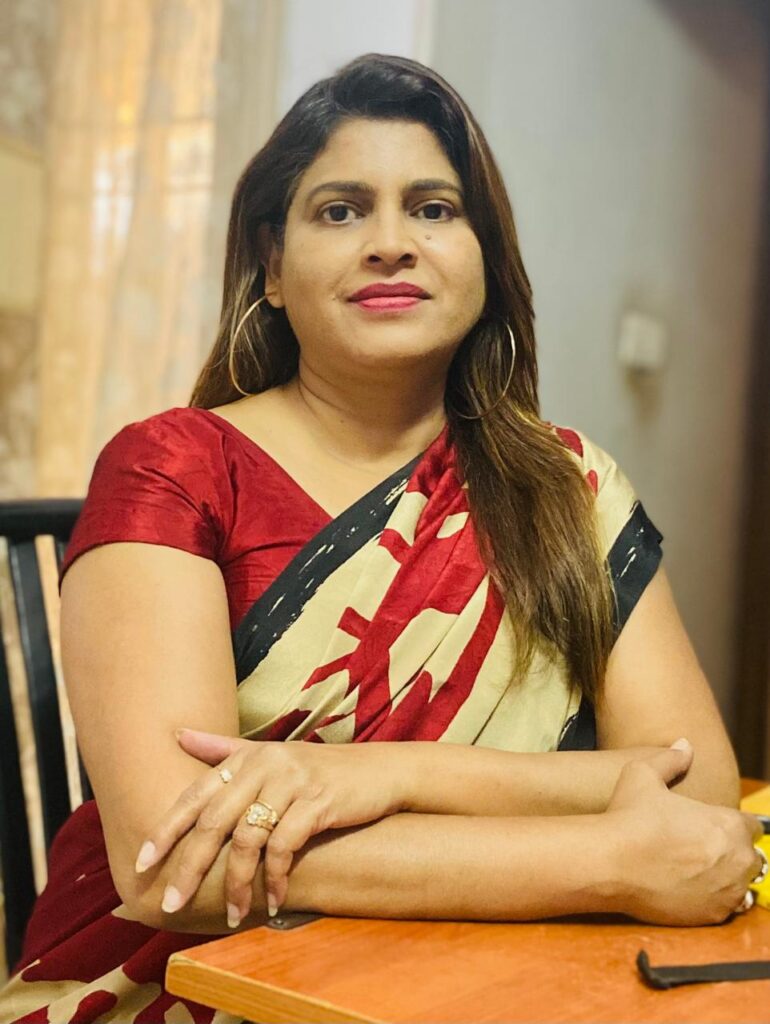
Over two decades, she has designed curricula, built teacher and institutional capacity, contributed to policy making, and strengthened governance systems—always with a deep commitment to inclusive, human-centered development. Her professional journey exposed her to the inner workings of leadership, power, and ambition, and ultimately led her to a deeper question: Why do we strive, and what are we truly trying to heal?
Dr. Dhiman lives in India and continues to write, teach, and consult, supporting individuals and institutions in creating conscious, emotionally healthy, and purpose-driven lives.
When I was asked to write an article on women empowerment, the first thought that came to my mind was a quiet but unsettling question: Do we really need to be empowered? Or have we forgotten something far more fundamental along the way?
Centuries ago, as human societies evolved, the one who ventured out to provide for the household began to command more authority and respect. Gradually, this external role of provision translated into power. Over time, women collectively absorbed the belief that to be respected, valued, and heard, they too needed to step into the same roles men occupied. The shift felt subtle, even glamorous. Social approval brought validation. Financial independence felt safe. Decision-making power felt liberating.
And it was.
Today, women stand shoulder to shoulder with men in nearly every field once considered exclusively masculine. This is undeniably brave and necessary. But perhaps the bravest question we can now ask ourselves is this: In the process of empowerment, what have we left behind?
Modern empowerment has largely been built on masculine frameworks—competition, speed, productivity, and external achievement. While these traits have driven progress, an overidentification with them has quietly distanced us from the feminine essence of being. Not femininity as weakness, but femininity as intuition, creation, nurturing, emotional intelligence, and depth.
The source of life created men and women with complementary energies. Women as creators of life, men as providers of structure and protection—not as rigid roles, but as natural inclinations meant to coexist in harmony. Ego distorted this balance. Men took their roles too seriously and diminished the value of women’s contributions. Women, in turn, internalized these narratives and began seeking validation by proving they could do everything men could do. This shift happened slowly, almost invisibly. Today, women are often shamed for embracing softness, and men are shamed for expressing vulnerability. We have reached a point where both genders feel unsafe being what they inherently are.
Yet the truth is simple: we all carry both masculine and feminine energies, regardless of gender. Masculine energy gives us direction, logic, and action. Feminine energy offers intuition, empathy, creativity, and connection. When either dominates excessively, imbalance follows. When they work together, wholeness emerges.
True empowerment is not about replacing one energy with another. It is about integration.
Men should feel safe opening up, crying, and expressing emotional truth without fear of judgment. Women should feel safe bringing life into the world, nurturing it, and honoring motherhood without being reduced or dismissed. Somewhere along the way, humanity complicated what was once simple. Titles, money, power, and recognition began to outweigh authentic living, slow joy, and emotional presence.
The consequences are visible all around us—rising mental health struggles, loneliness, anxiety, and a growing number of children who feel emotionally neglected. Statistics increasingly point to a lack of emotional support during formative years, something that naturally flows from presence, care, and nurturing—not from constant productivity.
This is not an argument against ambition or financial independence. Nor is it a call to return women to prescribed roles. It is a call to expand our definition of empowerment.
Can a woman be empowered as a homemaker? Absolutely. Empowerment does not disappear in the absence of a paycheck. It lives in self-worth, agency, influence, and the ability to take meaningful decisions. A woman who nurtures a family with consciousness and presence is not less empowered—she is exercising a different, equally vital form of power.
Women are not lacking empowerment. They are often disconnected from remembering that they were born with a divine gift—the gift of creation, whether expressed through childbirth, ideas, art, leadership, or emotional transformation. This gift does not need validation from outside. It needs recognition from within.
True empowerment begins when women stop measuring themselves solely through masculine benchmarks of success and reclaim pride in their womanhood—softness, sensitivity, intuition, and emotional depth included. When femininity is celebrated without toxic shame, and masculinity is freed from emotional suppression, balance becomes possible.
The future does not belong to one gender overpowering another. It belongs to a world that honors balance—within individuals, relationships, and societies. A world where success includes well-being, where leadership includes compassion, and where progress does not come at the cost of our humanity.
Perhaps empowerment was never about becoming more.
Perhaps it was about remembering who we already are.