

With mindful eating, you can enjoy every festive bite while keeping your body and mind in balance.
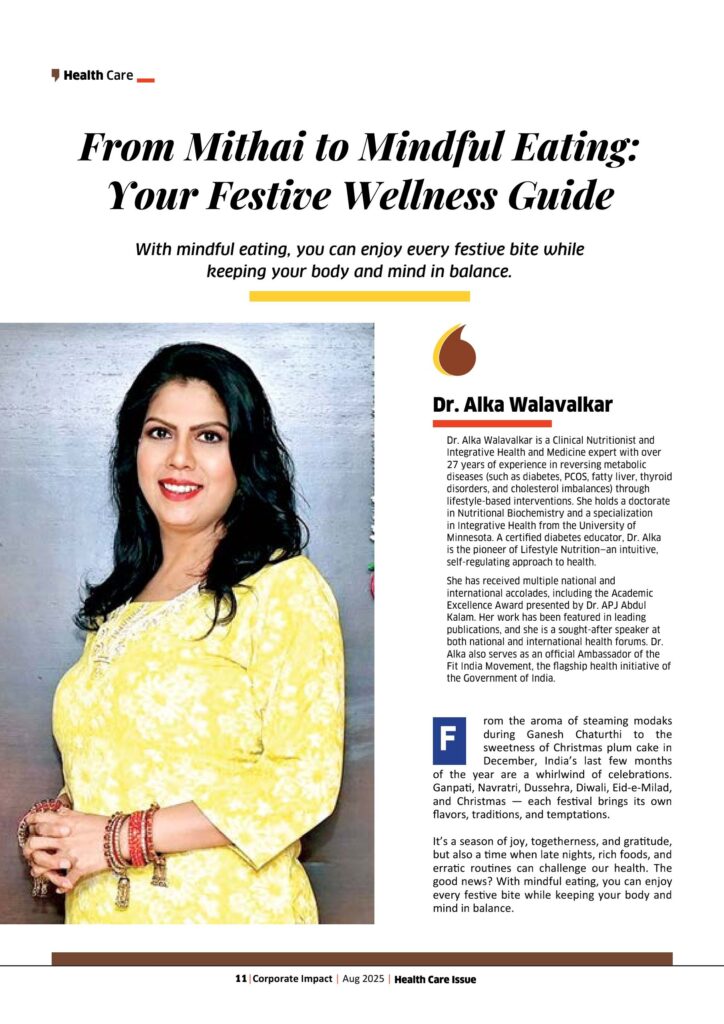
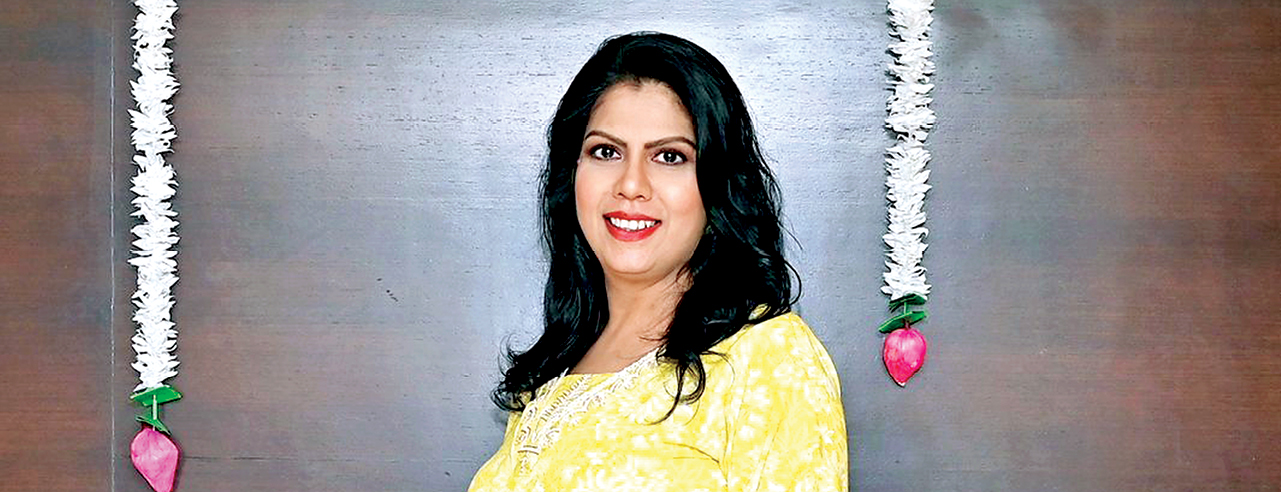
Dr. Alka Walavalkar
Dr. Alka Walavalkar is a Clinical Nutritionist and Integrative Health and Medicine expert with over 27 years of experience in reversing metabolic diseases (such as diabetes, PCOS, fatty liver, thyroid disorders, and cholesterol imbalances) through lifestyle-based interventions. She holds a doctorate in Nutritional Biochemistry and a specialization in Integrative Health from the University of Minnesota. A certified diabetes educator, Dr. Alka is the pioneer of Lifestyle Nutrition—an intuitive, self-regulating approach to health.
She has received multiple national and international accolades, including the Academic Excellence Award presented by Dr. APJ Abdul Kalam. Her work has been featured in leading publications, and she is a sought-after speaker at both national and international health forums. Dr. Alka also serves as an official Ambassador of the Fit India Movement, the flagship health initiative of the Government of India.

From the aroma of steaming modaks during Ganesh Chaturthi to the sweetness of Christmas plum cake in December, India’s last few months of the year are a whirlwind of celebrations. Ganpati, Navratri, Dussehra, Diwali, Eid-e-Milad, and Christmas — each festival brings its own flavors, traditions, and temptations.
It’s a season of joy, togetherness, and gratitude, but also a time when late nights, rich foods, and erratic routines can challenge our health. The good news? With mindful eating, you can enjoy every festive bite while keeping your body and mind in balance.
Awareness Over Guilt
Celebrations are about abundance, but that doesn’t mean giving up on balance. Mindful eating begins with paying attention — to what you eat, how much you eat, and how your body feels.
Before taking that second kaju katli during Diwali, an extra modak for Ganpati, or another slice of Christmas cake, pause and ask: Am I truly hungry, or am I just tempted by sight and smell? Eating with intention helps you enjoy more and overeat less.
Balance the Plate
Festive spreads — whether it’s sheer khurma for Eid-e-Milad, puran poli for Ganpati, or rich plum pudding for Christmas — often lean heavy on refined carbs and fats. The trick is to build your plate smartly:
• Half the plate: fresh vegetables or salads
• One-quarter: protein-rich foods like lentils, beans, chickpeas, tofu, or paneer
• One-quarter: your favourite festive dish.
This mix slows sugar absorption and keeps energy levels steady — especially important for managing diabetes, fatty liver, or weight.
Hydrate Before You Indulge
Dehydration can disguise itself as hunger. Begin your day with warm water and sip through the day. Herbal teas like tulsi, cinnamon, or ginger aid digestion and blood sugar control — a small step that can make a big difference during mithai marathons or cake tastings.
The 80-20 Rule
Eighty percent of the time, stick to nutrient-rich meals. The other 20%? Enjoy guilt-free indulgence — whether that’s a Diwali gulab jamun, a creamy kheer for Eid-e-Milad, or a slice of Christmas fruit cake. This approach keeps balance without feeling restrictive.
Time Your Treats
Starting a meal with sweets — like breaking Navratri fasts with jalebi or nibbling on Christmas cookies mid-morning — can spike blood sugar quickly. Instead, enjoy desserts after balanced meals so the fiber and protein slow sugar release.
Move After Meals
Festivals are often full of sitting — during pujas, family gatherings, or long dinner tables. But a short 15–20 minute walk after meals improves digestion and blood sugar control. Garba nights, post-feast strolls, or even dancing to Christmas carols all count as joyful movement.
Support Digestion
Heavy festive meals can be rich in ghee, sugar, and oil. Use spices like jeera, ajwain, fennel, and ginger in cooking, or sip warm ajwain water after a feast. Avoid lying down right after eating — give your body time to process food.
Rest and Recover
Late-night visarjans, dandiya dances, Eid gatherings, and Christmas parties can disrupt sleep. But poor rest affects hormones that control hunger and metabolism, making you crave more sweets and fried foods. Prioritise at least 7 hours of quality sleep, even during peak celebrations.
A Festive Reminder
From Ganpati’s modaks to Eid’s sheer khurma and Christmas’s cakes, food is only part of what makes festivals special. The laughter, prayers, music, and togetherness nourish us in deeper ways.
This season, celebrate with joy, share generously, and eat mindfully. Your body will thank you long after the lights, music, and flavours fade.
Quick Festive Health Hacks
• Start your day light – A warm glass of water with lemon or cinnamon can kick-start digestion.
• Don’t skip meals – Skipping meals to “save space” for a feast leads to overeating later.
• Colour your plate – Include at least 3–4 different coloured vegetables for antioxidants.
• Portion before you eat – Serve yourself on a small plate instead of eating straight from the serving dish.
• Walk it off – A 15–20 minute stroll after meals aids digestion and sugar control.
• Mind your drinks – Sugary beverages add empty calories; go for lemon water, herbal teas, or fresh coconut water.
• Listen to your body – Stop eating when you’re comfortably satisfied, not stuffed.
• Sleep well – Even during peak festivities, aim for 7 hours of quality rest.